
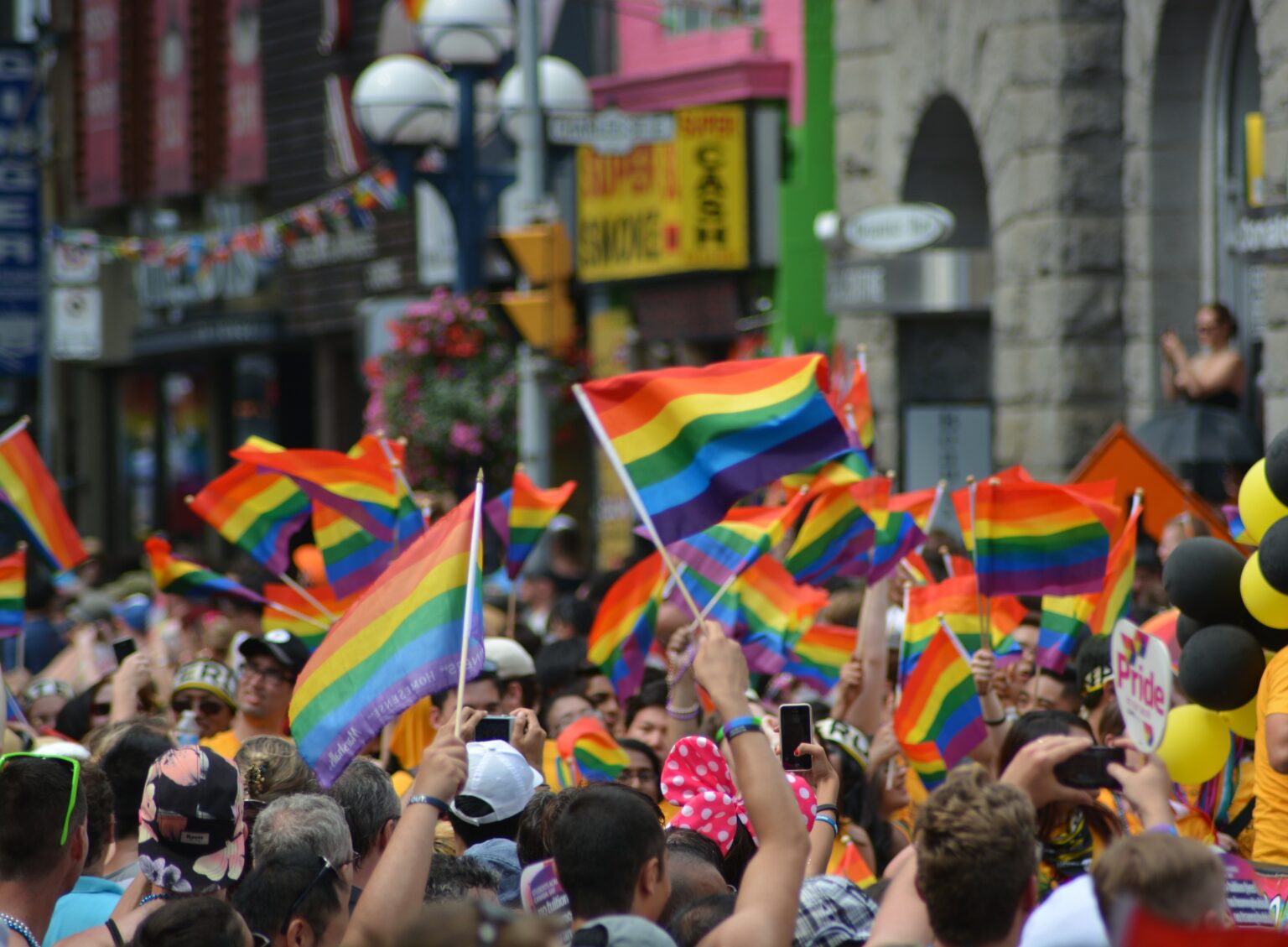
From Soho’s familiar pubs to Glasgow’s Merchant City bars, Britain’s queer nightlife has changed quite a bit over the past couple of decades. Rising rents, redevelopment, changing social habits, and the pandemic have all contributed to venue closures. Yet the scene hasn’t disappeared. It’s simply become more varied, with traditional bars and clubs now sharing space with pop-up parties, community projects, bookshops and cultural events.
This guide explores some of the best LGBTQ+ clubs UK visitors can discover, from established city-centre venues to smaller, community-led spaces. Here’s where to go and what to look out for.
How Britain’s Queer Nightlife Has Changed
The UK has lost a bunch of dedicated LGBTQ+ venues over the past two decades. London, in particular, has seen several long-standing bars and clubs close affecting the queer nightlife scene.
However, closures haven’t told the whole story though. Today’s queer nightlife UK-wide is more varied than it was ten years ago, with roaming club nights, independent collectives, pop-up cinemas, and community bookshops helping to fill some of the gaps. There’s also greater visibility for QTBIPOC-led events and daytime spaces, including sober cafés and cultural hubs.
The result is a scene that’s less dependent on permanent venues and increasingly shaped by the people organising events and bringing communities together.
Where Britain’s Queer Nightlife Comes Alive
For anyone looking at LGBTQ+ friendly cities in the UK; visitors can explore London, Brighton, Manchester and Glasgow as obvious starting points. Each has a recognisable LGBTQ+ district or established network of venues. Birmingham, Liverpool, Leeds, Bristol, Edinburgh, Newcastle and Cardiff also have worthwhile queer nightlife scenes, even if they’re smaller or more spread out.
London: Something Happening Every Night
London’s sheer size means there’s no single way to experience its LGBTQ+ nightlife. Soho remains the traditional centre, while Dalston and Hackney offer a more experimental mix of independent parties and alternative venues. Vauxhall and Clapham have their own long-running identities, too.
Soho’s Classic Circuit
Old Compton Street is still a natural starting point for a night out. Comptons of Soho is a familiar pub with a loyal regular crowd, while Ku Bar offers several levels, including a drag stage and basement dancefloor, drawing a livelier mixed crowd most nights of the week. Rupert Street Bar and The Yard attract a younger, more sociable crowd, with The Yard’s heated courtyard providing a change of pace. Village Soho is another basement dancefloor option, particularly for its weekends with a small door charge and the night running until 2am.
East London’s DIY and Club Scene
Dalston Superstore has been a central part of East London’s queer scene since 2009. It combines a café and brunch spot with late-night events. It looks like a corridor from the street but opens out into a proper basement dancefloor once you’re in, with a rotating calendar of themed nights that range from trans and bi-specific evenings to drag brunch and open decks. The Divine, which followed the closure of The Glory, is known for theatrical performances and late finishes. If you’re seeking something quieter, Goldie Saloon in Hackney has a queer, women-and-non-binary-focused atmosphere suited to conversation and cocktails.
For club nights, Roast at Electrowerkz draws crowds with its multi-room layout, while Adonis is known for its day-to-night house and techno parties. Bootylicious, a long-running party for LGBTQ+ people of colour, features music ranging from Afrobeats and dancehall to R&B and garage. UnFold at Fold in Canning Town offers a more techno-focused night if that’s more your taste with a bi-weekly Sunday session that draws a queer-dominated, fashion-conscious crowd.
Vauxhall and Clapham
The Royal Vauxhall Tavern remains one of London’s best-known venues for cabaret and drag, although it now operates more as an event space than a nightly destination. Heaven, beneath the railway arches near Charing Cross, is a major option for a larger, high-energy club night. In Clapham, Two Brewers is a long-standing local favourite, with regular drag and live performances.
London Beyond the Bars
There’s plenty to explore outside the usual bar circuit. Gay’s the Word in Bloomsbury is Britain’s oldest LGBTQ+ bookshop and continues to host community events. The Arzner offers a dedicated queer cinema space, while Queer Britain in King’s Cross explores LGBTQ+ history. Above the Stag Theatre presents LGBTQ+-focused stage productions, and Betty & Joan’s in Elephant and Castle combines comedy, cabaret and a bar.
Manchester: The Gay Village at the Centre of It All
Manchester’s Gay Village has been a focal point of the city’s LGBTQ+ community since the 1960s. Canal Street is the obvious place to begin, with bars and clubs lining the canal and community organisations such as the LGBT Foundation and Switchboard based nearby. BiPhoria, the UK’s oldest bisexual community organisation, also calls Manchester home.
Cockatoo Club is a good option for drag shows and its popular brunch events. The Eagle attracts a men-only crowd, with a more relaxed atmosphere earlier in the evening before its downstairs dancefloor heats up. Exploaring further the queer nightlife scene, Centre Stage is known for camp cabaret, while Refuge‘s Sunday roast offers a quieter way to round off a weekend. Manchester Pride in August is another major draw.
Brighton: Britain’s Unofficial LGBTQ+ Capital
Brighton’s reputation as one of Britain’s most established LGBTQ+ destinations is well deserved. Kemptown, particularly around St James’s Street, is the centre of much of the activity, with independent shops, cafés, and pubs alongside the bars.
The Bulldog is one of the city’s longest-running venues. Charles Street Tap hosts cabaret and viewing parties, while The Camelford Arms offers a more traditional pub atmosphere and welcomes dogs. The Grosvenor is known for drag bingo. If you want a daytime alternative, The Queery combines a bookshop with a community café, and the Ledward Centre provides space for local groups and events. Brighton Pride, held in early August, remains one of the country’s major celebrations.
Glasgow: Scotland’s Warm Welcome
Glasgow’s queer nightlife scene is relatively compact, with much of it centred around Merchant City. Delmonica’s has been a local fixture since 1991, offering food and drinks by day before hosting drag and nightlife later on. The Underground is a relaxed choice for a drink or a game of pool, while Polo Lounge has multiple floors playing pop and disco, as well as daytime events.
The Corset Club features burlesque and drag, and Katie’s Bar has long attracted a mixed lesbian and gay crowd. Pride Glasgow takes place around Glasgow Green, bringing the city’s LGBTQ+ community together for its annual celebration.
Birmingham: Community at the Heart of the Village
Birmingham’s Gay Village runs along Hurst Street, where nightlife sits alongside community services provided by organisations such as Birmingham LGBT. Among the established gay clubs UK visitors might want to experience, Nightingale Club stands out for its three floors and four different rooms, offering a range of music styles.
The Village Inn and The Fox Bar have a more relaxed pub atmosphere, with quizzes and karaoke. Eden is another familiar name for drag entertainment, while Birmingham Pride brings a large crowd to the city each year.
Liverpool’s Pride Quarter and Queer Culture
Liverpool’s Stanley Street area is widely recognised as the city’s LGBTQ+ district, marked by its rainbow flags and concentration of bars and venues. Lisbon Bar is a long-running basement venue with ornate interiors and late opening hours.
Besides queer nightlife, the city also has a strong cultural side. Homotopia, the UK’s longest-running queer arts festival, brings together visual art, performance and other creative work, usually in the autumn.
Leeds, Sheffield and Newcastle
Leeds’ scene includes venues around The Calls, with a mix of club nights, comedy and other events. Flamingos offers a daytime café setting, while Viaduct Showbar is known for cabaret and live vocals.
Sheffield’s LGBTQ+ quarter developed around The Moor and Hereford Street. Dempseys is a major multi-floor club, while collectives such as Andro and Eve organise events that include film screenings, spoken word and drag king performances.
In Newcastle, the Pink Triangle sits between Central Station and the Utilita Arena. Rusty’s is a popular cabaret bar, and Powerhouse remains a long-running late-night club. Nearby Sunderland also has its own LGBTQ+ venues and community events, so you have options.
Bristol and the West
Bristol’s LGBTQ+ venues are spread between the Old Market area and Frogmore Street in the West End. OMG Bristol and Queenshilling are two established nightclubs in the latter area.
The city also has an interesting place in trans history. Physician Michael Dillon, often recognised as one of the first trans men to receive testosterone therapy, lived and practised in Bristol during the late 1930s. Bristol Pride remains one of the region’s major annual events.
Edinburgh and Cardiff
Edinburgh’s LGBTQ+ venues are concentrated around its own Pink Triangle. The Street is an all-day venue that moves from food and drinks in the afternoon to DJs in the evening. Paradise Palms combines a vegetarian and vegan menu with cocktails, live comedy and other events.
Cardiff’s scene is centred around Charles Street and Churchill Way, making it relatively easy to explore on foot. The Kings is a two-floor venue with an outdoor terrace, while The Queer Emporium in the Royal Arcade gives independent queer businesses and makers a place to sell their work. Pride Cymru is the city’s main annual LGBTQ+ celebration.
Nottingham and Leicester
Nottingham has a notable place in British LGBTQ+ history, with claims to some early milestones in the development of queer nightlife and organised support for LGBT workers. Today, The New Foresters on St Ann’s Street offers a traditional pub atmosphere, while Broadway Cinema regularly screens independent queer films.
Leicester’s queer nightlife scene is smaller and more intimate, with venues around Charles Street and Dover Street. The Rainbow & Dove are familiar options for a drink and a more relaxed evening.
Planning a Night Out: Practical Tips for Visitors
Many cities have their main LGBTQ+ venues clustered around one or two streets, so exploring on foot is usually straightforward. Festival season generally runs from June through September, although individual cities have events throughout the year.
It’s worth checking a venue’s official website or social media before heading out as independent bars and clubs can change their opening hours, event schedules or even locations, particularly when they rely on one-off nights.
Ultimately, the gay scene UK visitors encounter is about more than bars and dancefloors. Queer nightlife venues and events remain important cultural places and sources of community, and supporting them helps keep that variety alive.